






Knowing When to Stop: Layering in Mixed-Media Art
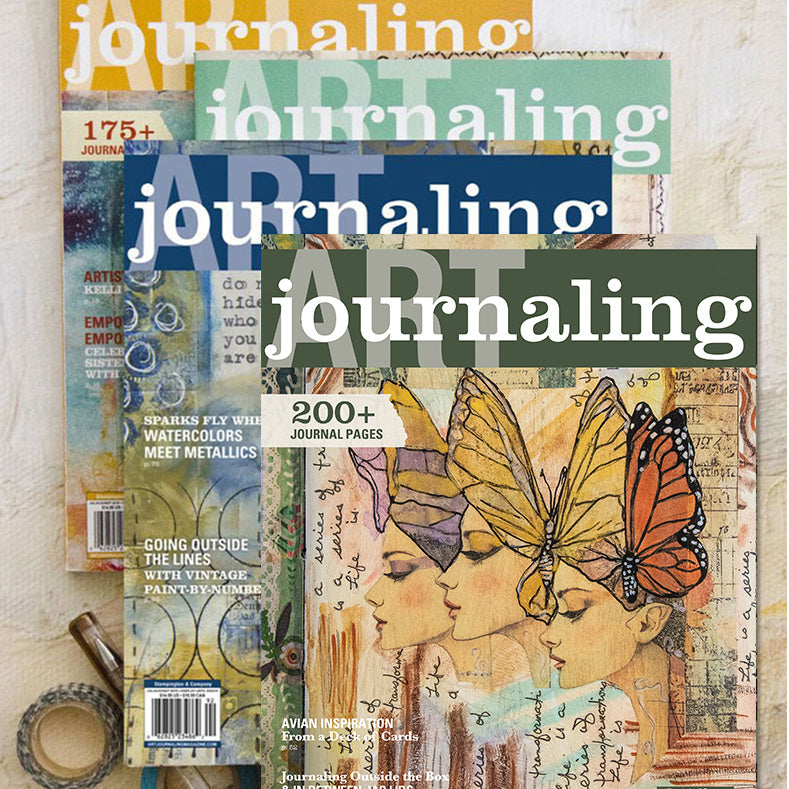
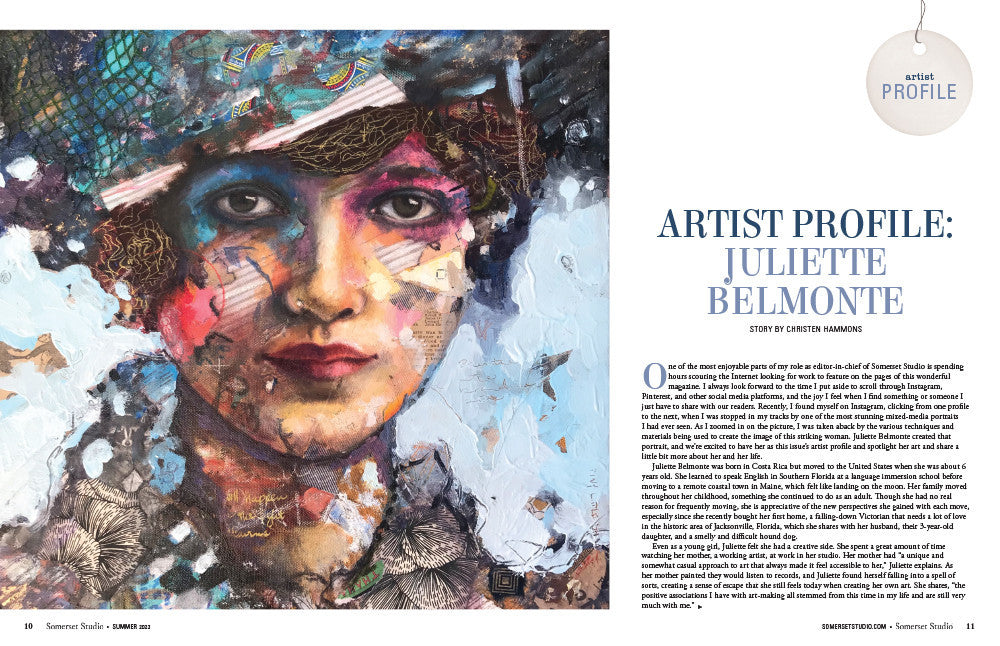
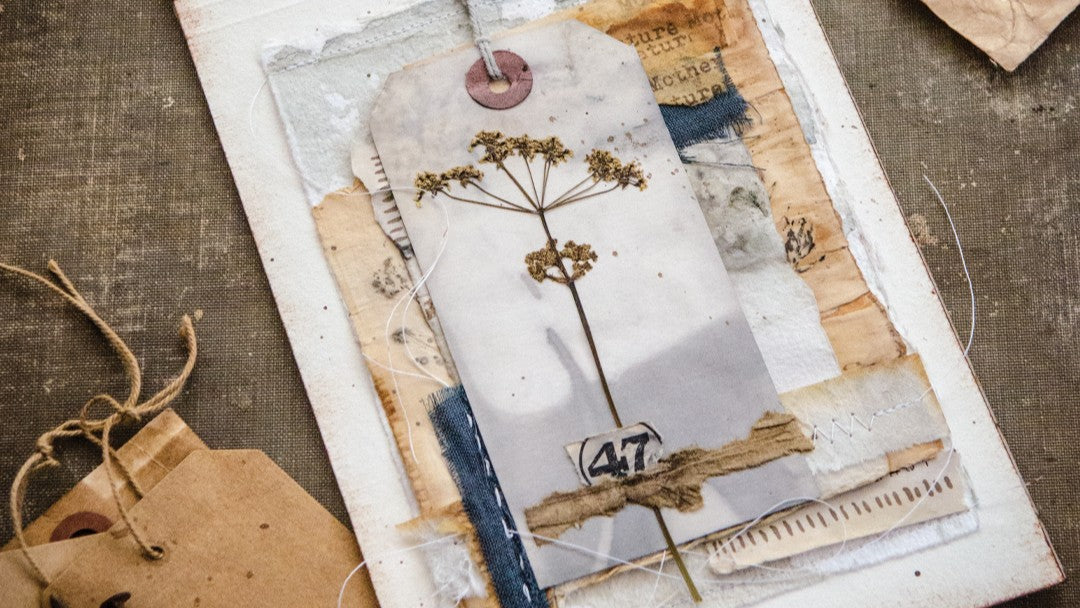
Layering is both the promise and the risk of mixed-media art. It is how depth is built and how a surface learns to hold attention over time. But accumulation can just as easily flatten a piece. Too many decisions can erase the clarity that first drew the work forward. Knowing when to stop is not a matter of restraint alone. It is about attentiveness to what is already present.

MARIE AGUIAR KOSIK⎟ ART JOURNALING SPRING 2025
The Purpose of Each Layer
Every layer should earn its place. Paint, paper, stitching, and found elements all introduce information. Early layers set intention. They establish mood, palette, and structure. Later ones refine, disrupt, or clarify. When layers accumulate without direction, the surface can become noisy rather than complex. Before adding more, ask whether the next layer advances the piece or only compensates for uncertainty.

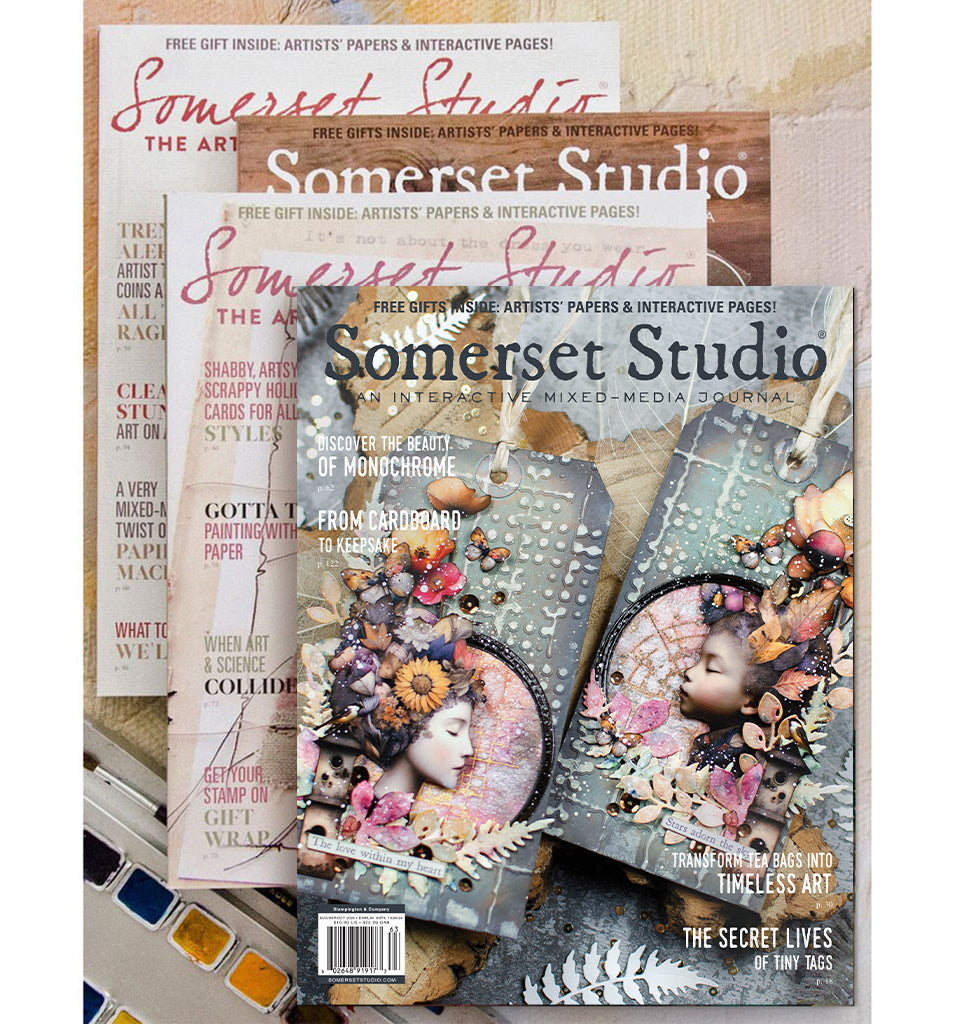
LYNNE MONCRIEFF⎟ SOMERSET STUDIO WINTER 2024
Visual Balance Over Completeness
Every layer carries visual weight. Paint builds opacity. Paper adds edges. Stamping introduces pattern and rhythm. Over time, these accumulate into density. A finished piece does not require every area to be active. Balance is not symmetry, but distribution. A heavily worked area requires a quieter space elsewhere, and a strong focal point needs support, not competition.
The urge to fill every corner usually comes from discomfort with imbalance. A useful check is to isolate sections with your hands or a viewfinder. If removing visual access to one area strengthens the rest, the piece may already be complete.

KIM COLLISTERS⎟ SOMERSET STUDIO SPRING 2025
Material Fatigue
Surfaces can only take so much. Paper becomes saturated. Adhesives lose their hold. Paint layers thicken to the point where they no longer respond well to new marks, and material fatigue shows up as dullness rather than vibrancy. Colors lose clarity. Lines drag. The surface resists.
When materials stop behaving the way they did earlier, it is often a signal. Continuing past this point may not ruin the work, but it shifts it into a different category: heavier, flatter, less responsive. Some artists like that weight. Others may mistake it for depth.

CAREY HEWITT⎟ SOMERSET STUDIO WINTER 2025
Trusting the End
Artists often describe the moment a piece is finished as a form of quiet recognition. Nothing announces it. There is no dramatic conclusion. Layering teaches patience, but finishing requires confidence.
A finished piece holds its ground when you stop working on it. If you can leave it overnight and feel no urgency to adjust it in the morning, that is a meaningful indicator. And if your first impulse is to fix something without knowing what, the work is likely complete.
Dive deeper into the creative process of mixed-media artists in our newly released Somerset Studio Spring 2026.
You Might Also Like...


Read more
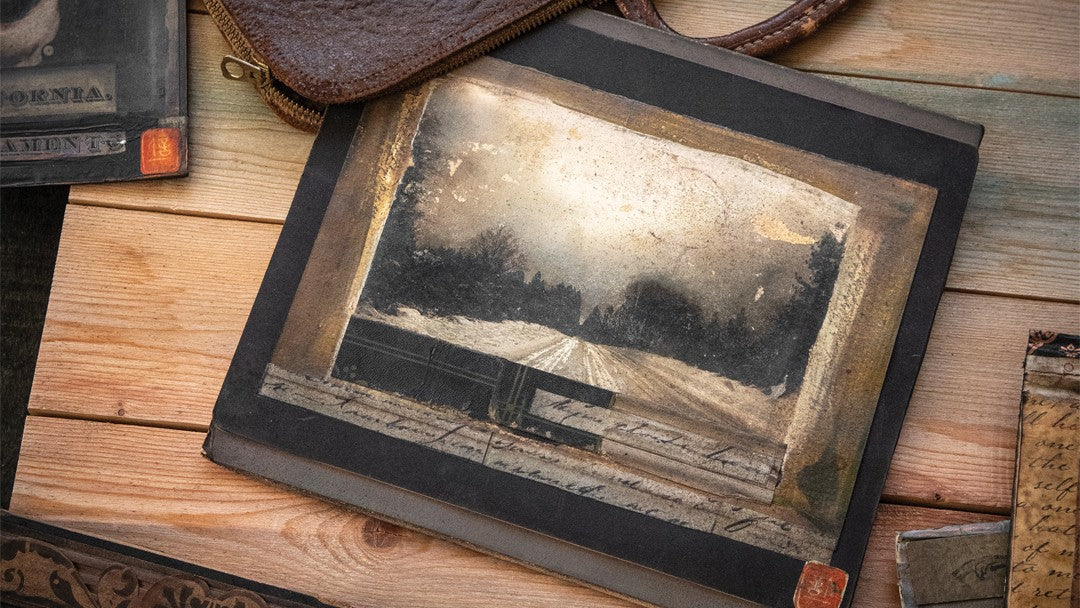
Collected from the pages of Somerset Studio, the following creations capture elements of winter that are often overlooked but are oh so inspiring.

We’ve compiled a collection of handcrafted mixed-media jewelry designs that illustrate what’s possible when you push creative boundaries. Discover them here.


7 comments
Short. Sweet. To the point. Every word inspiration and confirmation.
It’s good to have diarrhea of action at times, though. It helps the crap release that doesn’t serve us anymore. We feel light and free. Creativity blesses us with new choices. ✨🧜♀️✨
Seahag
Thank you! Very helpful advice with layering, not over doing and over working a piece of art. A really great read!
Retha Fulp
This is the most useful message I’ve received in months! Lots of info gathered in one place. I love you people.
Kathleen Heifrin
Loved the article, it gave key points I didn’t think of before.
Diana Chapaman
Just starting out, what is the best paper to begin on?
Lynn Powers
Thank you for the information on when to stop layering. I feel much better about choosing a stopping point.
Retha Moulder
Thank you. This was very helpful.
RoxAnne
Leave a comment
All comments are moderated before being published.
This site is protected by hCaptcha and the hCaptcha Privacy Policy and Terms of Service apply.